


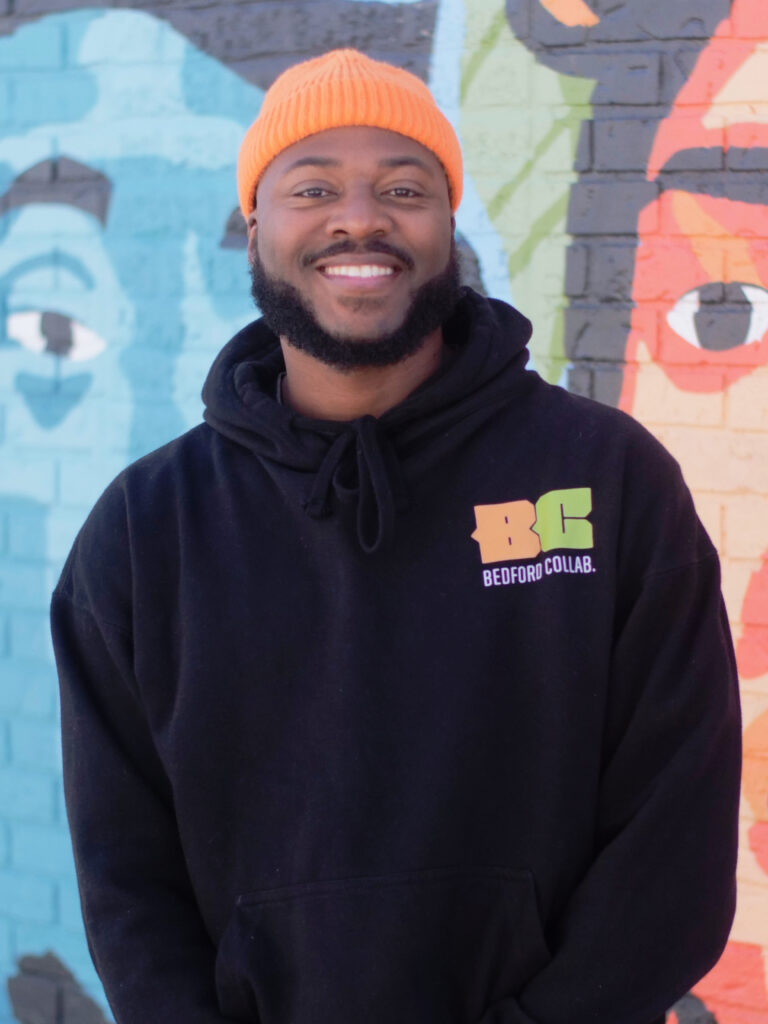
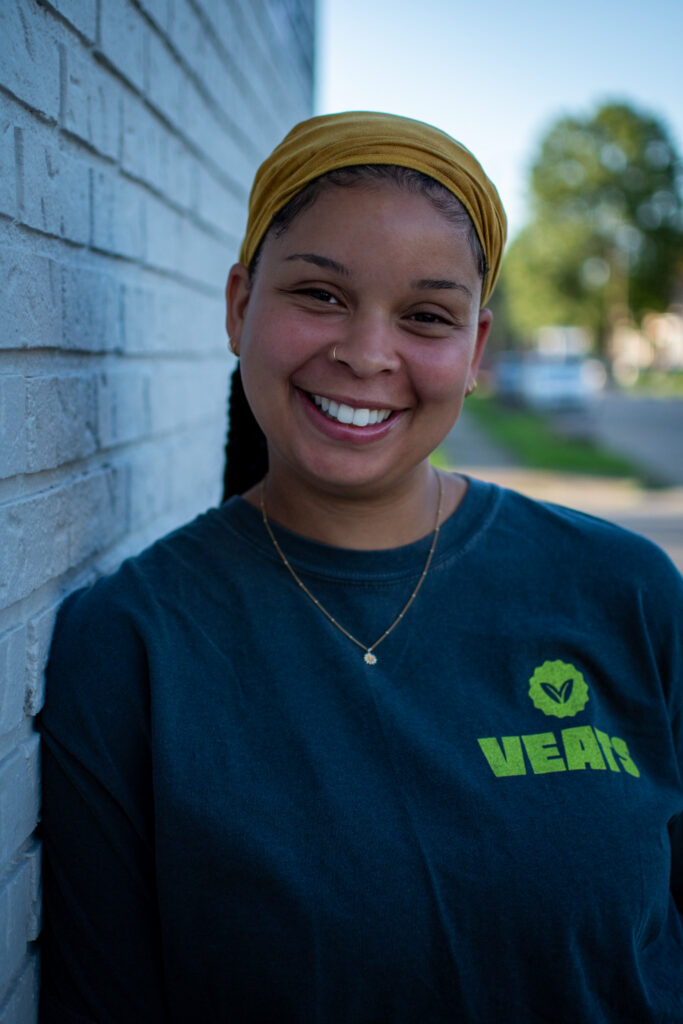







"The Bedford Collab team has a multi-faceted vision for the “Food startup Ecosystem.” From helping food startups, farmers, hosting workshops, supporting the local food system the possibilities are enormous to what WE all will and can accomplish in and around the building."

DeAndre
Testimonial on Bedford Collab's Impact
"As a personal chef who travels the world to cater different events, it’s vital to have easy-access to an affordable functional kitchen that allows me and my team to cook high-quality meals. Opening more shared-kitchen spaces would also be a huge move for community gatherings where local chefs, like myself, can teach classes and innovate the culinary industry."
Chef James Caters
"Bedford Collab will be the beacon of opportunity, growth and empowerment in the Tepe Park neighborhood. It will revitalize and bring a sense of pride to our community."
Jeff
"I started my meal prep business using shared kitchen facilities. Shared-use kitchens, also known as commercial or commissary kitchens, play a crucial role in supporting the growth and success of food startups. These facilities provide entrepreneurs with access to a fully equipped kitchen space on a temporary or flexible basis, allowing them to focus on developing their product and building their business without the high cost of leasing or owning their own commercial kitchen. Here are some key reasons why shared-use kitchens are important for food startups:
1. Cost-effective access to professional kitchen equipment: Shared-use kitchens are equipped with commercial-grade appliances, tools, and resources that are necessary for food production, such as ovens, refrigeration, and prep surfaces. By sharing these facilities with other food entrepreneurs, startups can minimize their upfront investment in equipment and operating costs.
2. Compliance with health and safety regulations: Operating a food business requires strict adherence to health and safety regulations. Shared-use kitchens are typically inspected and certified by local health authorities, ensuring that startups have a compliant and sanitary workspace to produce their products.
3. Flexibility and scalability: Shared-use kitchens offer startups the flexibility to secure kitchen space on a part-time or as-needed basis, accommodating fluctuations in production demand or seasonal variations. As startups grow, they can easily scale up their operations by renting additional kitchen space or increasing their production hours.
4. Networking and collaboration opportunities: Shared-use kitchens provide a collaborative environment where food entrepreneurs can connect, share resources, and learn from each other. These interactions can lead to valuable partnerships, knowledge exchange, and opportunities for business growth and expansion.
5. Reduced administrative burden: By utilizing a shared-use kitchen, startups can focus on their core business activities without being burdened by the administrative tasks associated with managing a commercial kitchen, such as maintenance, repairs, and equipment upgrades. In conclusion, shared-use kitchens play a vital role in supporting the success of food startups by providing cost-effective access to professional kitchen equipment, ensuring compliance with health and safety regulations, offering flexibility and scalability, facilitating networking and collaboration opportunities, and reducing the administrative burden on entrepreneurs. By leveraging these shared resources, food startups can accelerate their growth and achieve their business goals more efficiently.
This allowed me to keep my overhead costs low while still having access to all the necessary equipment and facilities for my food production. By being part of a shared kitchen space, I was able to network with other food entrepreneurs, exchange ideas, and collaborate on different projects. This helped me to grow my business faster and reach a wider audience. Additionally, the shared kitchen space provided a sense of community and support that made the entrepreneurial journey more enjoyable and less isolating. Overall, starting my business in a shared kitchen space was a smart decision that laid a strong foundation for success."
Chef Tawana Gulley
Owner & Founder of Healthy Soul INC